
 Jenna Miller
Jun 24 2026
Jenna Miller
Jun 24 2026
Understanding spinal decompression treatments Naples FL: What Every Patient Should Know
What spinal decompression therapy is and how it works
Spinal decompression is a non-invasive treatment designed to gently stretch the spine using a specialized motorized table. The goal is to create negative pressure within the spinal discs. This pressure change can help reposition bulging or herniated discs, improve nutrient flow, and reduce nerve compression.
Unlike traditional traction, modern decompression systems are computer-controlled. This allows for precise adjustments based on the patient’s condition, body response, and comfort level.
The process is typically slow and controlled, alternating between gentle stretching and relaxation phases. These cycles are designed to encourage oxygen, water, and nutrient exchange within spinal discs, which may support healing over time.
Conditions that may benefit from spinal decompression
Patients often seek spinal decompression treatments Naples FL for a variety of spine-related conditions. While results vary depending on individual health, this therapy is commonly used for:
Herniated or bulging discs
Degenerative disc disease
Sciatica and nerve pain
Chronic lower back pain
Neck pain related to cervical disc pressure
Facet syndrome
Spinal stenosis in select cases
Many patients are referred after other conservative treatments, such as medication or physical therapy, have not provided sufficient relief. In some cases, spinal decompression is used alongside other chiropractic or rehabilitative approaches for improved outcomes.
Why patients in Naples FL are choosing non-surgical spine care
Across Florida, there has been a growing shift toward conservative, non-surgical spine care. Surgery is often considered a last resort due to cost, recovery time, and potential risks. As a result, patients are exploring alternatives that focus on symptom relief and functional improvement without invasive procedures.
A Naples Chiropractor often incorporates spinal decompression as part of a broader treatment plan that may include manual adjustments, corrective exercises, and lifestyle guidance. This combination approach is designed not just to reduce pain, but to address underlying biomechanical issues contributing to spinal stress.
For many patients, the appeal lies in the ability to remain active during treatment and avoid extended downtime.
What to expect during spinal decompression treatments Naples FL
Understanding what happens during a session can help reduce uncertainty and improve comfort.
A typical visit begins with a consultation and evaluation. This may include a review of medical history, physical examination, and sometimes imaging such as X-rays or MRI scans. This step is important to determine whether spinal decompression is appropriate for your condition.
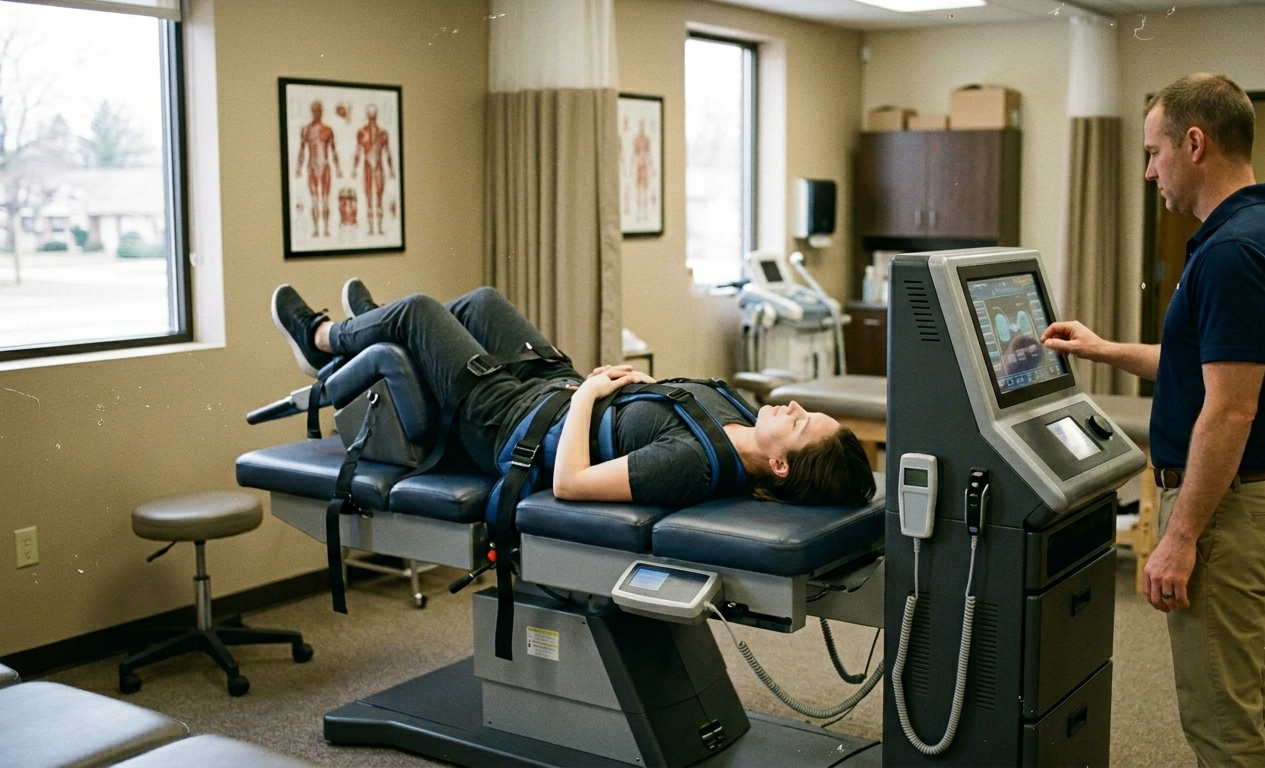
During the treatment itself, you will lie comfortably on a specialized decompression table. A harness is placed around the pelvis or head depending on whether the lumbar or cervical spine is being treated. The machine then gently cycles through stretching and relaxation phases.
Most sessions last between 20 and 45 minutes. Patients often describe the experience as relaxing rather than painful. Some report a mild stretching sensation or a feeling of “release” in the spine.
A full treatment plan may include multiple sessions over several weeks. Progress is typically monitored and adjusted based on response.
Benefits patients often report
While individual results vary, many patients seeking spinal decompression treatments Naples FL report several potential benefits:
Reduced pressure on spinal nerves
Improved mobility and flexibility
Decreased back and neck pain
Improved posture support
Better daily function and activity tolerance
Reduced reliance on pain medication
It is important to understand that spinal decompression is not a guaranteed cure. However, when appropriately applied, it may offer meaningful relief for certain conditions, especially when combined with a comprehensive care plan.
Safety and suitability considerations
Spinal decompression is generally considered safe when performed under professional supervision. However, it is not appropriate for everyone.
Patients with the following conditions may require alternative care:
Severe osteoporosis
Spinal fractures
Advanced spinal instability
Certain spinal implants
Pregnancy in some cases
Active cancer in the spine
A qualified provider will always screen for contraindications before starting treatment. This ensures that therapy is both safe and appropriate for your specific condition.
The role of a Naples Chiropractor in spinal decompression care
A Naples Chiropractor plays a key role in evaluating, recommending, and administering spinal decompression therapy. Chiropractic professionals often take a whole-body approach, focusing on spinal alignment, nerve function, and musculoskeletal balance.
When spinal decompression is integrated into chiropractic care, it is often paired with other supportive treatments such as:
Spinal adjustments
Corrective exercise programs
Soft tissue therapy
Postural training
Ergonomic guidance
This integrated model helps address both symptoms and contributing factors, which may improve long-term outcomes.
Patients seeking care through https://nsfre.org/ often look for structured, patient-focused treatment plans that prioritize long-term spinal health rather than short-term relief alone.
Why understanding your options matters
Before beginning any spinal treatment, it is essential to understand the full range of options available. Spinal decompression is one of several non-surgical approaches that may be considered depending on diagnosis and severity.
Patients are encouraged to ask questions such as:
What is the cause of my pain
Am I a candidate for spinal decompression
How many sessions will I need
What results are realistic for my condition
What other therapies should be combined with it
Being informed helps patients set realistic expectations and actively participate in their recovery journey.
Patient-centered care in Naples FL
The demand for spinal care options continues to grow in Florida as more individuals seek alternatives to invasive procedures. Clinics offering spinal decompression treatments Naples FL often emphasize patient education, customized care plans, and progressive treatment strategies.
The goal is not only to reduce discomfort but to improve long-term spinal function and quality of life. For many patients, this approach provides a balanced path between traditional medical care and holistic rehabilitation.
Conclusion
Spinal decompression therapy represents a promising non-surgical option for individuals dealing with disc-related pain, nerve compression, and chronic spinal conditions. When guided by a skilled provider, it can be part of a comprehensive plan aimed at improving mobility, reducing discomfort, and supporting long-term spinal health.
For those exploring spinal decompression treatments Naples FL, understanding how the therapy works, who it benefits, and what to expect is the first step toward making an informed decision.
Learn how Chiropractic of Naples offers expert care tailored to patients seeking relief through trusted spinal decompression treatments Naples FL services in Southwest Florida.
If you are looking for more information or want to explore care options, visit https://nsfre.org/ to learn more about available services and patient-focused treatment approaches.
FAQs
What conditions can spinal decompression help with?
It is commonly used for herniated discs, sciatica, degenerative disc disease, and chronic back or neck pain caused by spinal compression.
Is spinal decompression painful?
Most patients describe it as comfortable and relaxing. Some feel a gentle stretching sensation, but it is not typically painful.
How many sessions are usually needed?
Treatment plans vary, but many patients undergo multiple sessions over several weeks depending on the severity of their condition.
Is spinal decompression a replacement for surgery?
It is not a replacement for surgery but may be considered a non-surgical option for certain conditions when appropriate.
Can everyone use spinal decompression therapy?
No, patients with certain conditions like fractures, severe osteoporosis, or spinal instability may not be suitable candidates.